About the company
Lorem ipsum is a dummy or placeholder text commonly used in graphic design, publishing, and web development to fill empty spaces testing
Lorem ipsum is a dummy or placeholder text commonly used in graphic design, publishing, and web development to fill empty spaces testing
Residential Properties

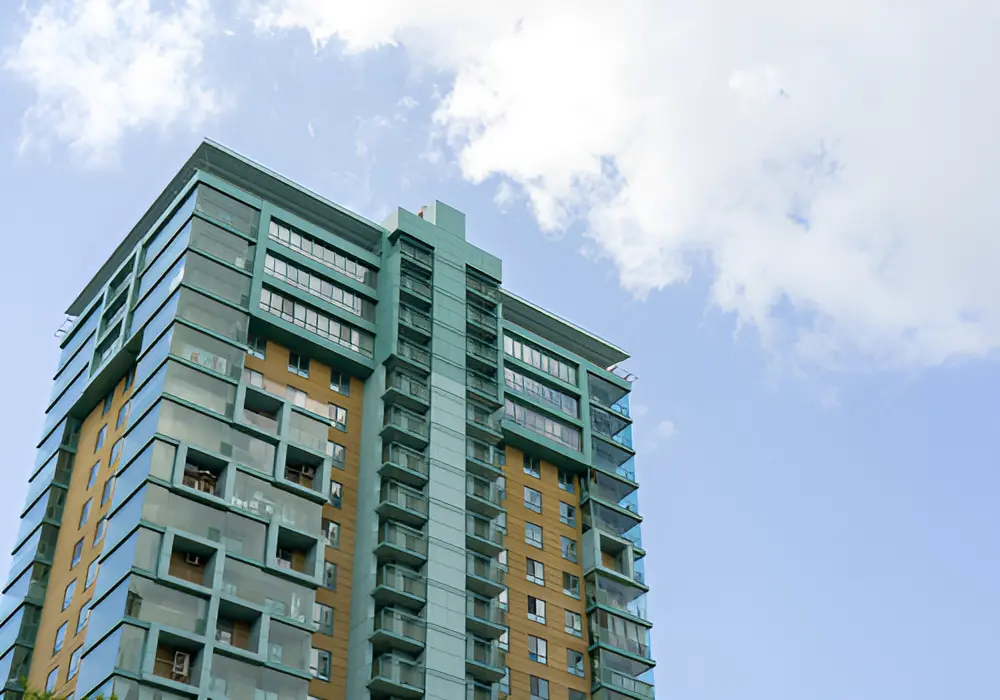
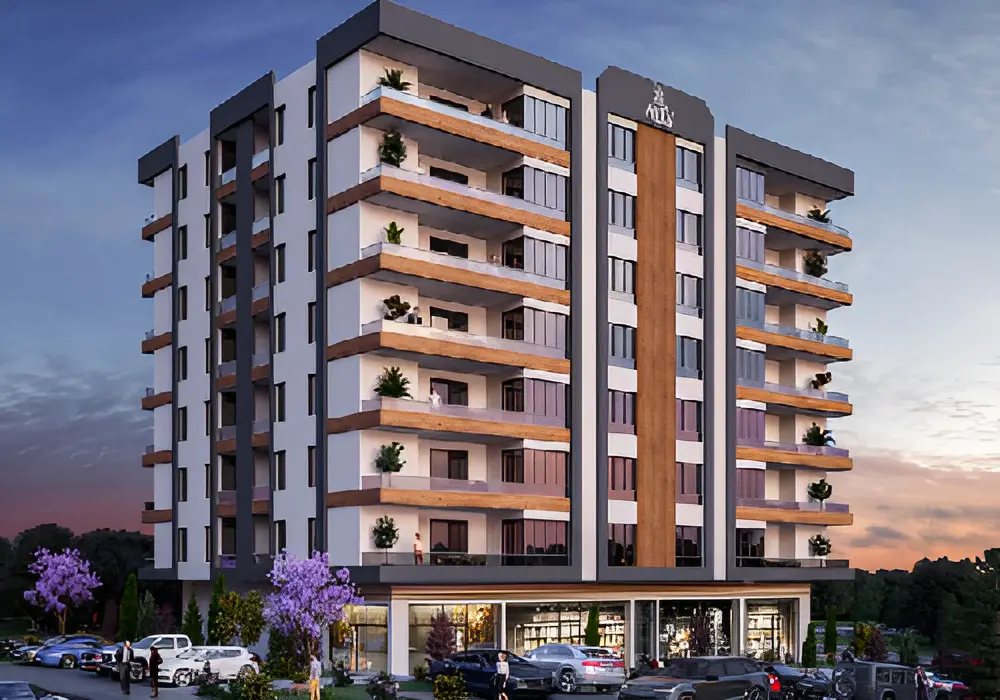
These stunning studio and 1BHK apartments offer modern living at its finest, perfectly designed for individuals and small families seeking comfort, style, and convenience. Located in a vibrant urban setting, the high-rise building provides panoramic city views, contemporary interiors, and thoughtfully designed layouts to maximize space and functionality. Residents can enjoy premium amenities, including state-of-the-art security, recreational areas, and easy access to shopping, dining, and entertainment hubs. Whether you’re a first-time buyer or investor, these apartments provide a perfect balance of luxury and practicality in a thriving community.

Prestige Ocean Pearl offers an unparalleled lifestyle, perfectly positioned along the iconic Beach Road. This prestigious development spans 6.5 acres and features 530 meticulously crafted 3 and 4 BHK apartments, designed to blend luxury with the serene beauty of the sea. Each residence is thoughtfully curated across four towers that soar 28 levels above sea level, ensuring panoramic views of the azure waters and pristine coastline. The contemporary design, spacious interiors, and premium finishes create an atmosphere of elegance and comfort. With direct access to the beach and an abundance of natural light, residents can indulge in breathtaking sunsets and the soothing sounds of the waves. Prestige Ocean Pearl redefines coastal living, offering a seamless connection to the sea, unmatched tranquility, and a lifestyle of refinement.

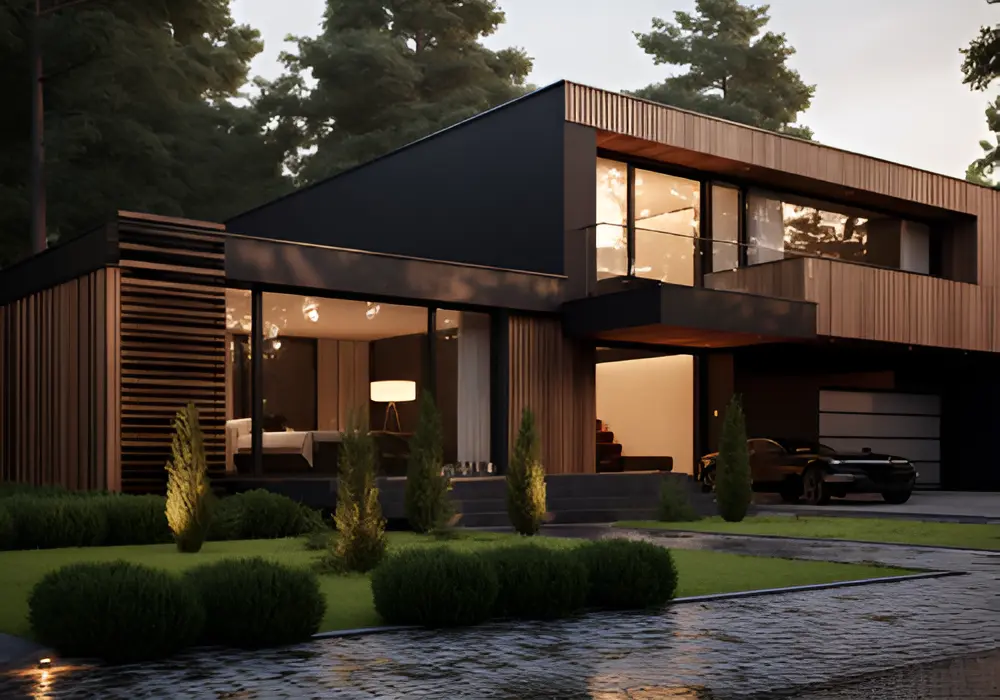
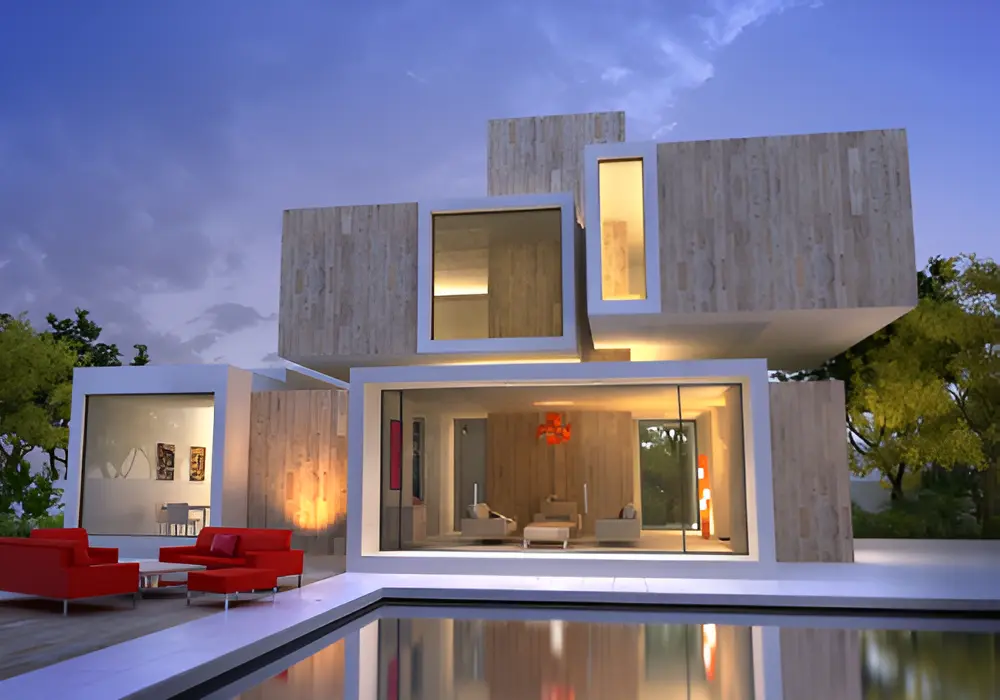
Introducing a luxurious brand-new 4BHK premium house for sale in Palakkad, situated within an elegantly designed gated community that offers a perfect blend of modern amenities, privacy, and a secure living environment. This spacious home spans 2000 sqft and is set on 10 cents of land, providing ample space for a comfortable and upscale lifestyle. Designed to meet the needs of modern families, the house features well-planned interiors, generous bedrooms, and contemporary living spaces that exude style and functionality. The gated community ensures residents have access to top-notch facilities, with wide roads, landscaped surroundings, and a peaceful ambiance. Priced attractively at Rs. 49.50 lakhs, this property offers incredible value, with the option of a convenient 10% down payment to make your dream home a reality. Perfect for those seeking a tranquil yet luxurious living experience, this premium 4BHK house is a rare opportunity to own a modern, spacious home in one of Palakkad’s most desirable locations.

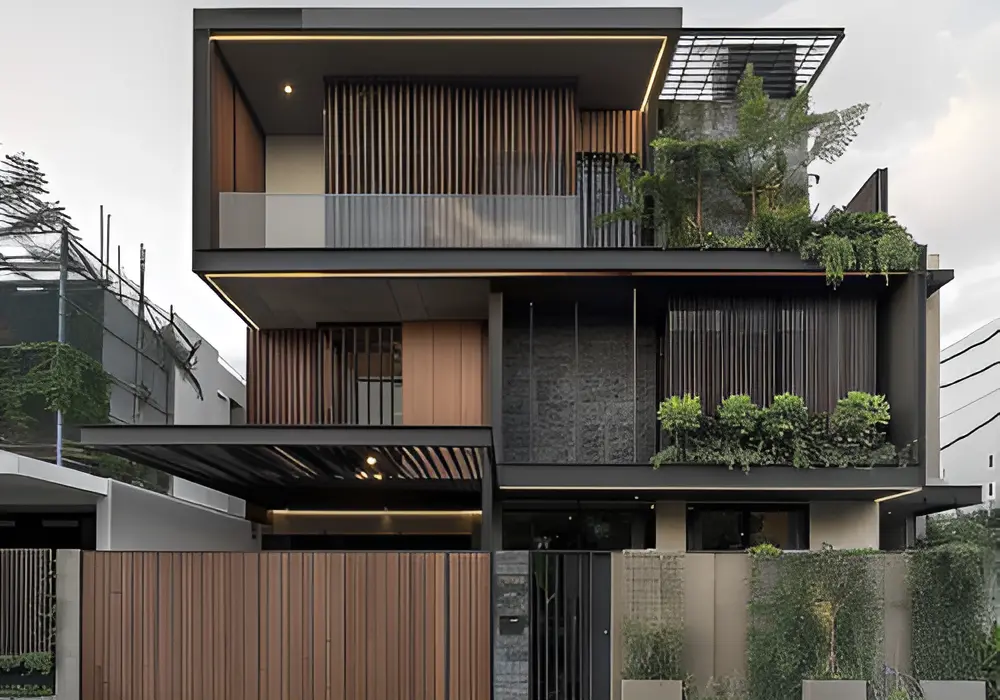
A spacious double-story residential house is available for sale in Koonammavu, Ernakulam, offering a blend of comfort and modern amenities. Spread across 3.3 cents with a built-up area of 1600 sq ft, this semi-furnished 3BHK home comes with attached bathrooms, a dress work area on the top floor, a covered balcony with grills, and a functional kitchen work area. The property features three floors with centralized air conditioning, lift access to all floors, and parking space for three cars. Designed for luxury living, it includes provisions for a home theater on the third floor, open and Indian kitchens, separate servant and driver rooms, and a well-maintained garden and backyard. Situated within a gated community with a compound wall and a 6-meter private road, the house ensures easy road access, ample water supply, and excellent transportation facilities, making it an ideal home for a modern family.
Commercial Properties

This premium retail space for rent offers an exceptional opportunity for businesses seeking a prime location with modern architecture and outstanding visibility. Featuring floor-to-ceiling glass windows, sleek interiors, and ample open space, the property is designed to attract foot traffic while providing a stylish and inviting atmosphere. Ideal for upscale boutiques, restaurants, or showrooms, it boasts excellent accessibility, ample parking, and a prominent façade that ensures a strong brand presence. Situated in a bustling area with high customer engagement, this space is perfect for businesses looking to thrive in a vibrant, contemporary environment.

This modern commercial building, available for sale, is a perfect investment opportunity for businesses seeking a prime location and exceptional infrastructure. Featuring a sleek architectural design with large glass windows and clean lines, the building offers abundant natural light and a professional, contemporary aesthetic. With ample parking space and easy access via wide, well-paved roads, the property is ideal for offices, retail spaces, or showrooms. The surrounding area is well-maintained, with open spaces and a clean environment, making it highly attractive for businesses looking to establish themselves in a premium, visible location.

Prime industrial land and plots are now available for sale at highly attractive rates, offering excellent opportunities for industrial or commercial development. Strategically located near the Yamuna Expressway, this 1,000 square feet industrial plot is priced competitively at just Rs. 11,000 per square foot. With convenient access via well-maintained main roads and approach roads, the location ensures seamless connectivity. The plot is surrounded by lush greenery, providing a serene and inspiring environment while being ideally suited for industrial operations or other commercial ventures. Offering ample space and essential amenities, this property presents a lucrative investment opportunity in a rapidly developing area.

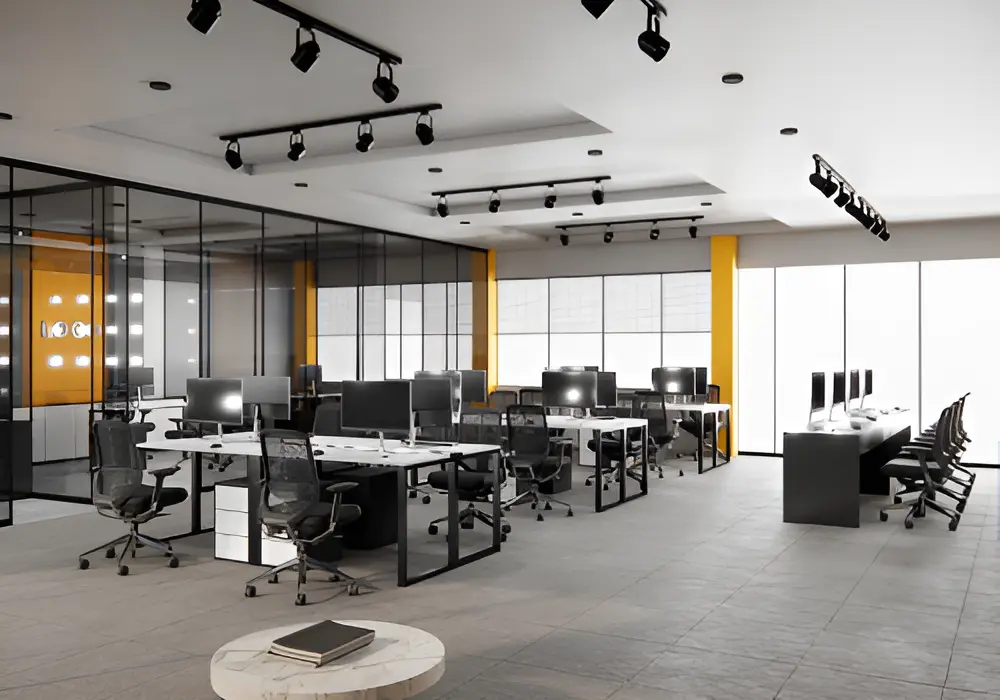
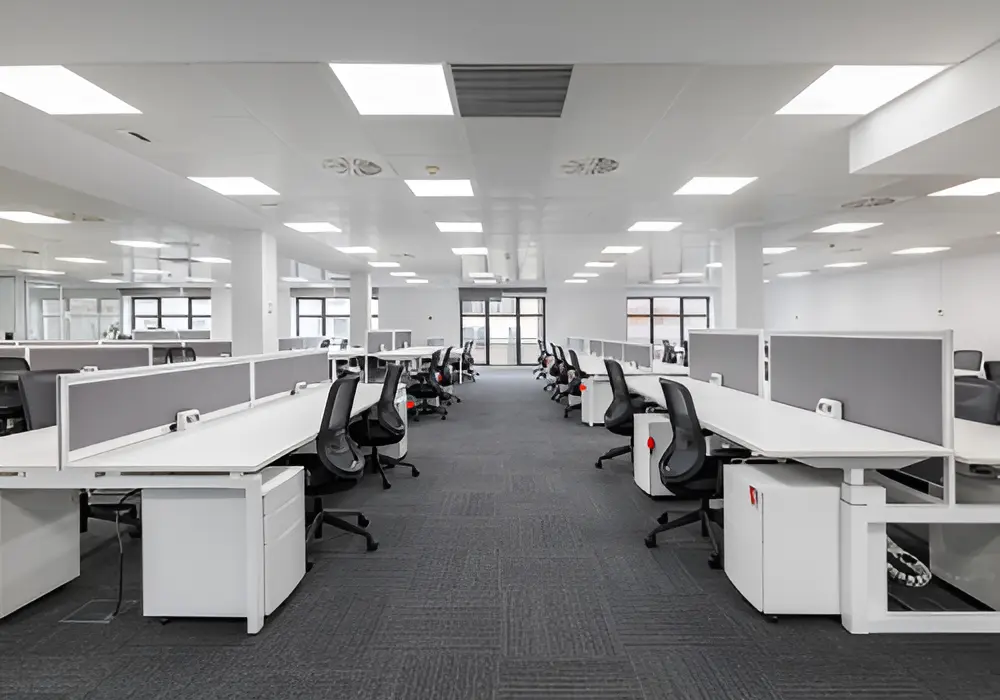
Discover a fully furnished and well-equipped office space available for rent or sale, perfectly designed to meet modern business needs. Spanning approximately 460-500 sqft, this commercial property features a stylish MD cabin, a workers' bay with six workstations, a professional conference room, and a well-designed reception area. The office is fully air-conditioned with a 2-ton inverter AC and comes equipped with internet and CCTV connections. The interiors are thoughtfully designed, with all works completed and freshly painted, offering a ready-to-move-in setup. Strategically located in a prime area highly sought after by companies, the space is ideal for office purposes. Available for a monthly rent of Rs. 35,000 or a negotiable sale price of Rs. 68 lakhs, this property is a perfect investment for businesses seeking a functional and prestigious workspace.
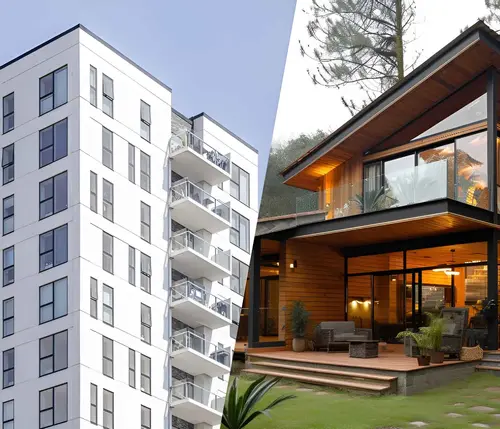
When deciding where to live, one of the most important decisions you’ll face is whether to choose a flat or a house. Each option has its own advantages and disadvantages, and the right choice depends on your lifestyle, financial goals, and personal preferences. Let’s delve deeper into the comparison to help you make an informed decision.

Many people today construct homes based on appealing designs without adequately calculating boundary setbacks, often leading to unexpected complications. The real challenge arises when local authorities inspect the structure for occupancy approval, and only then do homeowners realize the significance of local construction rules. By that time, the situation can become complex and stressful. When constructing a house, it’s crucial to adhere to two key measurements: the setback from adjacent roads and the clearance around the house. Compliance with these rules ensures government approval for your construction.
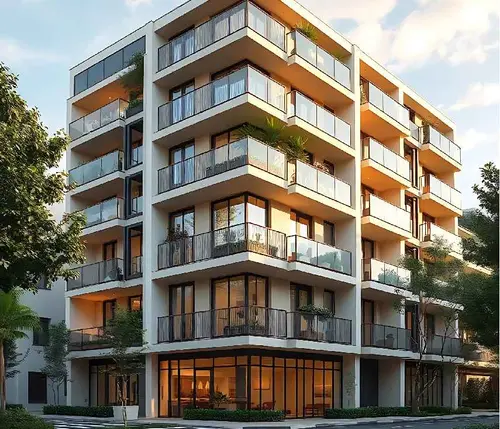
In today’s world, as people migrate from rural areas to cities, the thought of owning a home naturally brings the idea of buying a flat. Factors like time, convenience, safety, rising land prices, and limited space in urban areas have made apartment living a popular choice. However, purchasing a flat should only be done with careful observation and thorough verification. If neglected, it could lead to significant financial burdens or legal complications. The key is to buy cautiously.

RazorQA quickly helped scale our automation efforts.
RazorQA is an essential tool for our SOC-2 compliant healthcare decision support systems.
QA Automation with RazorQA was easy and met all our needs to keep the high standards of our platform.
.accordion-body, though the transition does limit overflow..accordion-body, though the transition does limit overflow..accordion-body, though the transition does limit overflow.